Brain tumor & brain cancer treatment in Istanbul, Turkey
Brain tumours are treated with surgery to remove as much tumour as safely possible — which also provides tissue for diagnosis — combined with radiation, including precise stereotactic radiosurgery, and chemotherapy such as temozolomide for glioblastoma. Molecular testing of the tumour (IDH, 1p/19q, MGMT) now shapes both prognosis and treatment, and neurosurgical subspecialty matters. Istanbul hospitals offer this full pathway, often at JCI-accredited, state-authorized centers and well below Western-European prices for the same protocol. Every price we show is an illustrative placeholder until verified partner-hospital quotes exist — and you pay the hospital directly, never us. Start with a free 72-hour review of your MRI and reports before you decide anything.
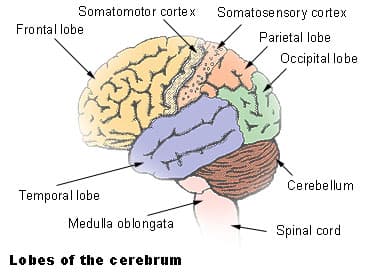
Lateral view of the brain showing the lobes of the cerebrum, the cerebellum, the medulla oblongata and the spinal cord.
SEER Training Modules, U.S. National Cancer Institute — public domain (opens in a new tab) ↗What a brain tumor is
The U.S. National Cancer Institute describes brain and spinal cord tumors as growths of abnormal cells in the tissues of the brain. They can be primary, starting in the brain itself — such as gliomas, which include glioblastoma, and meningiomas — or metastatic, having spread to the brain from a cancer elsewhere in the body. Tumours can be benign (noncancerous) or malignant (cancerous), and even a benign tumour can need treatment because of where it presses inside the skull.
Diagnosis usually involves MRI of the brain and, in most cases, a biopsy or surgery to obtain tissue. The NCI notes that tumours are gradedfrom lower to higher grade, and that gliomas are now classified by molecular markers — IDH mutation, 1p/19q co-deletion and MGMT promoter methylation — which shape both prognosis and drug choice. Because outcomes depend so heavily on the surgical team, subspecialty matters. Browse the wider cancer types hub for related diagnoses.
Treatment options
The modalities the NCI lists for brain tumors, and an honest note on each:
- Surgery. The starting point for most brain tumours — neurosurgery aims to remove as much tumour as can safely be taken without harming vital brain function, and also provides the tissue needed for an exact diagnosis. How much can be removed depends on the tumour’s location.
- Radiation therapy. Radiation is widely used, including precise stereotactic radiosurgery (a Gamma Knife-style single high-dose treatment) for small or deep targets, and a fractionated course over several weeks for larger areas.
- Chemotherapy. Chemotherapy such as temozolomide is used for glioblastoma, often given together with radiation and then continued afterward. Response can depend on MGMT status, so molecular testing feeds directly into this choice.
- Targeted therapy, tumour-treating fields & supportive care. Depending on the type, targeted drugs, wearable tumour-treating fields, and supportive care to manage swelling, seizures and symptoms may be added. Which applies is decided by your tumour type and testing, not a template.
Molecular testing of the tumour is now central here — see cancer genetic & molecular testing in Turkey — and you can see how each modality works on the treatments & technology hub.
What it costs
There is no single brain-tumour price, because the cost is driven by the type and extent of surgery, whether stereotactic radiosurgery or a longer course of radiation is used, the number of chemotherapy cycles, and whether targeted therapy or tumour-treating fields are added — and the molecular pathology testing that guides the whole plan is a real line item of its own. Every figure OncologyIstanbul™ publishes today is an illustrative placeholder pending verified partner-hospital quotes, and each is itemized so you can hold a real quote up against it line by line. See the Turkey Oncology Price Index or the full cancer treatment cost in Turkey breakdown.
The hospital, verified
We don’t show a wall of smiling surgeons or a “ranked” list — those are the easiest things to fabricate. Instead, you’re matched to one state-authorized Istanbul partner hospital whose neurosurgery and neuro-oncology subspecialty fits your diagnosis, and you can verify its authorization against the Republic of Turkey Ministry of Health’s own records and its JCI accreditation in JCI’s public directory before you commit. Named specialist profiles appear only when a verified, consented physician is behind the name. See the full guide to cancer hospitals in Istanbul and how to check one yourself.
Where this fits
This is one diagnosis within the broader cancer treatment in Istanbul pillar. If you want your own reports read first, a free second opinion organizes and verifies your MRI, pathology and molecular reports into a plain-language case file in your language before you decide whether to travel.
Check everything here — us included
Common questions
Can I get brain tumor treatment in Turkey?
Yes. Istanbul hospitals provide the full brain-tumour pathway the U.S. National Cancer Institute describes — neurosurgery to remove as much tumour as can safely be taken and to obtain tissue for diagnosis, radiation therapy including precise stereotactic radiosurgery for small or deep targets, chemotherapy such as temozolomide for glioblastoma given alongside radiation, and targeted therapy, tumour-treating fields or supportive care depending on the type. Because neurosurgical subspecialty matters so much here, the honest first step is a free case review of your MRI and any pathology so the plan — and which team fits it — is understood before you travel. Many centers hold JCI accreditation and state authorization you can check yourself.
Are all brain tumors cancer?
No. The NCI is clear that brain tumours can be benign (noncancerous) or malignant (cancerous), and that both primary tumours starting in the brain and metastatic tumours that spread from cancer elsewhere in the body are possible. Some tumours, such as many meningiomas, are often benign but can still need treatment because of where they press inside the skull; gliomas, including glioblastoma, are graded from lower to higher grade. Benign does not always mean untreated, and malignant does not always mean the same plan for everyone — the grade, type and location decide. A case review tells you what your reports do and don't yet establish.
How do molecular markers like IDH and MGMT affect treatment?
They now shape both prognosis and the plan. Per the NCI, gliomas are classified not only by grade but by molecular markers — whether the IDH gene is mutated, whether there is 1p/19q co-deletion, and whether the MGMT gene promoter is methylated. MGMT methylation, for example, is linked to how well a glioblastoma responds to temozolomide chemotherapy, and IDH status helps distinguish tumour types and expected course. This is why modern brain-tumour care depends on molecular testing of the tumour tissue, not imaging alone. A case review will flag whether this testing has already been done on your reports. This is general information, not a treatment recommendation.
How much does brain tumor treatment cost in Istanbul?
There is no single figure, because the cost is driven by the type and extent of surgery, whether stereotactic radiosurgery or a longer course of radiation is used, the number of chemotherapy cycles, and whether targeted therapy or tumour-treating fields are added — and molecular pathology testing is a real line item of its own. Istanbul typically runs well below Western-European prices for the same protocol, but every figure OncologyIstanbul™ publishes today is an illustrative placeholder pending verified partner-hospital quotes, itemized so you can check a real written quote line by line. You pay the hospital directly, never us. See the Turkey Oncology Price Index for current ranges.
Start with a free 72-hour case review
Send your MRI, pathology and imaging. Get a verified case file in your language — free, confidential, no obligation.
This page is general information, not medical advice. Medical facts are grounded in the U.S. National Cancer Institute; prices shown are illustrative placeholders pending verified partner-hospital quotes, not offers. Every cancer case is individual; assessments are based on the reports you provide and do not replace in-person examination.